New home windows change the method a home feels. The area quiets down. Drafts disappear. The glass looks so tidy you neglect the old grittiness that utilized to cling along the tracks. That first week after window installment, everything really feels limited and efficient. The difficulty is keeping them in this way. With a little interest and a timetable that fits reality, your home window replacement can supply smooth procedure, clear sights, and stable energy efficiency for decades.
The initially 2 days: what to check and what to leave alone
After installment day, resist the urge to fiddle. Fresh sealers require time to heal. Spray foam settles. Interior trim and caulk take an established over a day or more. During this duration, light use is great, yet prevent requiring sticky sashes, washing the exterior with a stress washer, or hanging hefty home window treatments that yank on fasteners.
Walk the spaces with a straightforward list in mind. Try to find also caulk lines without voids or pinholes. Evaluate the border of each system where the frame fulfills the wall surface for any daylight, specifically at corners. Press carefully on the interior casing. It needs to feel tight. If you see protruding foam or an unequal grain, take a fast picture and send it to your installer while it is still fresh in their mind. The majority of trustworthy companies arrange a 1 to 2 week follow-up; notes assist them right tiny details prior to they end up being annoyances.
If you reside in a climate with big day-night swings, expect a little activity. Plastic frameworks broaden somewhat in the heat, light weight aluminum moves more than wood, and compounds being in the middle. A home window that feels a little tighter in the mid-day sunlight yet moves at night is typical. What is not typical is a sash that refuses to lock or a lock that misaligns by greater than a few millimeters.
What affects durability more than brand
Brand matters, yet the viewpoint is mainly regarding three variables: installation quality, direct exposure, and maintenance. I have seen midrange plastic stand up better than premium timber on a west wall without any overhang. I have actually likewise seen original 1930s timber double-hungs, effectively painted and weatherstripped, outlast cheap replacements by decades. The very best home window is one that is properly flashed and sealed for your wall surface system, protected from chronic dampness, and looked after with a light however routine hand.
- The quick-start upkeep strategy listed below is the type of listing you can magnet to the garage fridge. Maintain it short and repeatable.
Quick-start upkeep strategy 1) Month 1: Clean down tracks, confirm locks engage, note any type of binding and report under guarantee. 2) Spring and autumn: Tidy glass and screens, clear weep holes, lube moving parts. 3) After major tornados: Evaluate exterior sealant and blinking lines for spaces or lifted sides. 4) Annual: Inspect sash equilibrium stress and equipment screws, repair paint or finish on wood. 5) Every 3 to 5 years: Renew exterior sealer where UV exposure is high, specifically south and west faces.
Cleaning that preserves finishes and seals
Modern protected glass devices usually carry low-e coverings on surface area 2 or 3 of the double pane. Those finishings are sealed inside the unit, so you will certainly not touch them, yet you can still damage exterior sealants, sash surfaces, and spacer sides with severe chemicals or razors made use of at the incorrect angle. Keep cleaning simple: warm water, a few decreases of moderate recipe soap, and a soft microfiber cloth. For larger grime, a little vinegar thinned down with water helps reduce hard-water areas without etching.
Avoid abrasive pads. They leave micro-scratches that gather dirt and make future cleaning harder. If a painter left overspray, use a plastic razor held nearly flat and work slowly. Never scuff along the warm side spacer boundary. That slim line beside the glass becomes part of the gas seal; pry marks there can create misting months later.
Screens take advantage of a tube rinse and a soft brush. Take them outside, spray from the clean side out, and allow them completely dry completely before re-installing. Displays catch plant pollen and building dust that funnels into tracks. A clean display makes a larger difference to airflow than the majority of people expect.
Lubrication and smooth operation
Windows need to operate with 2 fingers, not a shoulder. If you have to lean, something is off. Friction points vary by type.
On double-hung tilt home windows, clean the tracks with a moist fabric, after that a dry one. Dirt imitates sandpaper. If the sash sticks, a silicone-based spray moderately related to a towel and wiped on the track usually settles it. Avoid petroleum oil on vinyl and composite tracks; it brings in dirt and transforms to sludge. Check the tilt locks and pivot bars for any kind of play. A quarter switch on a set screw can silence a rattle.
Casement and awning devices count on joints and operators with small equipments. Open them totally and look for grit at the hinge footwear. Tidy, then apply a decline or two of light device oil at the pivot points and a completely dry silicone spray on weatherstrips. Crank mechanisms must really feel constant via the arc. If they bind at the same factor every single time, inspect for misaligned sash screws, a bowed sash from warmth, or a loosened jamb anchor.
Sliding home windows benefit from a vacuumed sill. The majority of modern sliders ride on nylon rollers that choose sanitation over lubricant. If you require aid, utilize a silicone spray on the roller shaft, not the track surface.
Managing dampness: the art of letting water out
All properly mounted home windows are made to take care of water, not stop it completely. The sill must lose water and the structure have to have a way to drain. Those courses are called weep holes. On plastic and light weight aluminum, they appear as tiny slots or rounded holes along the exterior lower framework. On wood-clad systems, they hide along the lower side. Twice a year, run a pipe cleaner or plastic coffee stirrer with them. A few secs of interest stops rain from backing up and finding the path of least resistance, which is frequently your drywall.
Condensation on the indoor glass tells a story about interior humidity, not leaking glass. In wintertime, if you see consistent haze at the bottom of the pane, very first minimize indoor moisture. Run bathroom fans for a complete 20 minutes after showers. Make use of the cooking area hood when boiling. If your house is limited, a tiny warm healing ventilator can stabilize fresh air with convenience. If the fog shows up inside the pane, in between the layers, that seal has failed. Picture it on a great early morning when it is most visible and submit a service warranty claim. Most glass service warranties run 10 to 20 years on seals.
Caring for different frame materials
Maintenance varies with frame composition. Checking out the handbook helps, yet method in the area has taught a few truths.
Vinyl is straightforward however not unbreakable. It chalks under high UV after years, so mild cleansing and color from overhangs extend its life. If you see hairline fractures around screw places, that is usually aesthetic, however expect spreading. Avoid dark storm panels in direct sun on vinyl; the warm gain can warp a sash.
Wood looks stylish and insulates well, but it is honest regarding neglect. Take note of end grains and lower rails where water rests. Maintain paint or clear coating intact. If you can press a thumbnail into softened timber, stop and dry out the location, after that treat with a consolidant and repaint. Do not caulk all-time low of outside wood trim tight to the sill nose. You desire water to drain pipes, not obtain caught. A small drip kerf under the sill nose helps break surface tension.
Aluminum excels in toughness and slim sightlines, but it performs heat. Thermal breaks assist, yet interior condensation at chilly sides is more probable in winter. Maintain weep holes really clear. If you live near the ocean, rinse the frames a few times a year to eliminate salt. Galvanic rust can occur where different metals fulfill, so use stainless screws and neutral-cure sealants.
Fiberglass and composites handle temperature swings comfortably. They take paint well. Check factory-coated finishes yearly for nicks along corners and retouch quickly. The largest blunder I see is homeowners presuming maintenance-free ways hands-off. Dirt in tracks puts on even the hardest glides.
Sealing and caulking: when to see and when to renew
Exterior sealant is the peaceful workhorse of a home window replacement. Good installers utilize backer pole and premium sealants shapes and size for the joint. Also the very best bead ages under sun and movement. Intend on renewal along one of the most revealed faces every 3 to 5 years, in some cases sooner on a south wall in high-altitude sun.
Look for hairline cracks, splitting up at edges, or voids where sealer retreated from block or exterior siding. Sealant failing typically starts on top edges where water lingers and UV hits. If you fit with a caulk weapon, cut out the falling short area completely. Do not smear brand-new over old. Clean with isopropyl alcohol, insert backer pole if the joint is deep, and apply a fresh grain. Tool it into a smooth shapely profile that is larger than it is deep. Utilize a neutral-cure silicone or a high-performance silyl-modified polymer that bonds to multiple substratums and remains flexible.
Interior caulk issues for air sealing and visual appeals. Inside beads tend to last longer, but they still shrink. If you really feel a chilly draft at the indoor trim throughout wind, follow it with your hand and a tiny smoke pencil. Address spaces prior to winter.
Hardware and safety and security checks that take five minutes
Locks and latches are frequently the very first parts to loosen. Lightly tighten deal with set screws, inspect that deadbolts on outdoor patio doors toss completely, and confirm strike plates remain in aircraft. On egress home windows, ensure nothing hampers the opening, such as blinds that bind or furnishings as well close. If a window works as new windows near me a room egress, method opening it rapidly. It sounds overcautious till the one-time you require it.
For homes in high-wind areas, confirm that factory-provided sash limiters or support screws are in place. With impact-rated systems, inspect polishing beads and gaskets for connection. If you have sensors linked to a protection system, clip their wires nicely along the framework to stay clear of snagging when cleaning. Wireless sensing units need fresh batteries concerning every one to two years. Change them on the exact same day you exchange smoke detector batteries to keep dates aligned.
Noise, drafts, and exactly how to diagnose what you feel
Complaints identified as drafty typically fall under three groups: unrestrained air leakage around the structure, poor insulation or missing out on foam at the tooth cavity, or glowing cold from big glass locations. Your technique depends upon which one you are facing.
If you feel air movement at the latch or examine rail of a double-hung, take a look at the interlock style and weatherstrip condition. A brief, bumpy strip indicates it was reduced as well brief or compressed and might need replacement. On casements, air at the hinge side usually indicates the sash is not drawing evenly. Adjust the keeper so the lock involves firmly without extreme force.
Cold radiating off the glass is not a draft, however it seems like one. Tones with side networks or well-fitted mobile blinds make an unusual difference in winter. For huge south-facing home windows, low-e versions tuned to your environment assistance. If your home examinations reveal high ACH50 values from a blower door, take into consideration whole-house air sealing before condemning the windows. I have actually seen houses become significantly much more comfortable after securing edge joists and attic room infiltrations, without window operate at all.

Seasonal routines that match real life
Maintenance that depends upon perfect timing seldom occurs. Tie home window care to events currently on your calendar. When you arrange heating and coolings filter modifications, include a window lap: open every system, clean tracks, check locks, clear weeps. When you switch tornado panels or displays in springtime and loss, tidy the glass and hardware. After a major tornado period, stroll the exterior and look at blinking lines.
If you have children or rentals, think harder usage. Install sash limiters to prevent slamming, select surfaces that hide finger prints, and maintain a standard kit handy: silicone spray, light soap, microfiber towels, a plastic scraper, a # 2 Phillips screwdriver, a 4 mm hex secret, and a few spare manage set screws. That tiny container saves more solution phone calls than any warranty.
Energy performance: keeping the promise of the label
The NFRC label that began your new devices offered U-factor and SHGC values that looked great on paper. To keep performance close to those numbers, the air barrier and insulation in the wall around the home window need to stay intact. If you intend interior makeover near home windows, secure the foam in the dental caries and the interior air seal. One negligent drywall demo can beat a mindful set up by tearing the sealant line behind the casing.
Watch for indicators of thermal bridging, like persistent condensation patterns along the edge of the glass or cold areas ahead or sill. An easy infrared thermostat can help you identify anomalies. If a head jamb reviews several degrees chillier than the surrounding wall surface on a tranquil evening, there might be a gap in insulation over the device. Resolving that little void repays every winter.
Window treatments influence energy usage too. In summertime, close shades on the eastern in the morning and on the west in the mid-day to control solar gain. In winter months, open south-facing shades throughout bright hours to record warmth, after that shut them at sunset to hold it. The day-to-day routine issues as much as the glass spec.
When to call the installer and what to document
Warranty terms vary, yet most cover glass seals for at the very least a decade, equipment for several years, and labor for the very first one to two. Do not wait if you see a trouble developing. A sash that begins to scuff typically signals misalignment that is easy to deal with early. An unclear device is easiest to verify in the early morning when the temperature differential is high. Take clear, dated pictures. Keep in mind the area by space and positioning, like second-floor northwest room, right casement.
For issues tied to developing motion, such as a brand-new split between trim and wall after foundation work, coordinate with both the installer and the professional doing architectural adjustments. Windows depend on sensibly square openings. I have re-shimmed devices after attic room conversions and settled decks, and the quicker we are entailed, the better the outcome.
If you inherit windows from a previous homeowner without documents, look for engraved identifiers in a corner of the glass or sticker labels concealed in the head jamb. Suppliers embed codes that assist track manufacturing. A fast email with those numbers frequently generates the exact design and components list.
Special cases: coastal, high altitude, and extreme seasons
Coastal homes deal with salt and wind-driven rain. Rinse structures and hardware quarterly with fresh water. Usage corrosion-resistant hardware and neutral-cure sealants. Inspect sill pans and flashing for indicators of water intrusion after hurricanes. Keep trees trimmed so they do not hammer the glass in gale-force gusts.
At high elevation, stress differentials can challenge polishing devices throughout transport and installment. Many suppliers use capillary tubes to match stress, then seal them on website. If you see a small tube you can cover with a tag, verify it was appropriately closed. Devices not developed for altitude can create early seal failing. If misting shows up in the initial year in mountain setups, raise the flag early.
In regions with long, completely dry summertimes complied with by a brief, extreme winter season, wood frameworks reduce and swell more than in moderate climates. Maintain coating coats fresh and flexible. For vinyl subjected to extended 100 degree days, make certain shading or light outsides where possible. Dark movies related to interior glass might enhance heat accumulation and void service warranties. Contact the manufacturer before including aftermarket tints.
The silent value of air flow and interior air
Windows play a role in indoor air top quality beyond views and daylight. If you retrofit with securely securing replacements, focus on fresh air. Stale interior air causes condensation, smells, and passenger pain. Use the window equipment how it was made. Many tilt-turn and casement devices have micro-vent settings that permit a small void at the top for safe nighttime airing vent. Balanced with a bathroom follower on a timer, this can keep moisture in the pleasant spot, about 30 to 50 percent for many climates.
Do not puzzle drip vents with drafts. Trickle vents are managed openings created to introduce small amounts of outside air at the top of the frame where blending decreases cool pain. If yours have sliders, maintain them tidy and examine that insect displays are intact.
A note on retrofits and storm windows
In historic homes, you might have set up indoor or external tornados in tandem with initial timber sash. Storms can considerably boost comfort and cut noise when they secure well. Keep their weep openings clear, too. Repaint the conference surfaces smooth so gaskets press without tearing. In winter season, a limited indoor tornado with a little desiccant pack can keep condensation off the original glass while protecting the look of split lights.
For contemporary replacement devices, stay clear of adding aftermarket exterior storms unless the producer accepts it. Trapped warm can void service warranties and warp frames. If you require additional defense for a youngster's space or a loud road, take into consideration laminated glass alternatives that handle sound without additional layers outside.
Troubleshooting: common concerns and useful fixes
A few patterns appear time and again. A slider sticks after 6 months due to the fact that building and construction dirt cleared up in the sill. A sash whistles during the night due to the fact that the sash is striking a bump in the weatherstrip, not the lock. A double-hung wanders down slowly since the balance footwear slid slightly.
You can handle a lot of these on your own. On a slider, remove the sash, vacuum the window replacement in Austin TX sill, wipe it with a wet towel, and reinstall. Change the roller height so the sash sits level and seals evenly. On a casement, open fully and examine the gasket for a high area. Cut any flashing remnants and re-seat the weatherstrip. If an equilibrium shoe on a tilt double-hung decreases, place a flat-head screwdriver right into the camera, rotate to load setting, elevate it to the proper height, after that rotate back to lock. Beware with springtime stress. Wear security glasses.

If you deal with repeating leakages, do not maintain adding caulk. Water invasion is a system issue. Examine blinking over the device, head drip caps, and home siding user interfaces. The service may be redirecting water above as opposed to securing tighter at the home window itself.
Window Installment to maintenance: linking the two
The finest upkeep strategy can not compensate for inadequate home window installment. Good replacement job begins with the opening: a sloped sill or frying pan, effectively incorporated blinking, shims at load factors, increasing foam that is low-expansion and designed for home windows, and air securing at the indoor aircraft. If you watched your crew do it right, you already own half the battle. Your maintenance merely preserves what they place in place.
If you are planning an additional phase of home window replacement following year, keep notes on how the initial set acts across seasons. Which positioning requires the most cleaning? Did a certain operator kind attract even more grievances? This comments assists you and your installer select equipment and features that fit just how you live, not simply what looks excellent in a catalog.
The viewpoint: windows as a living component of the house
Windows are not set-and-forget. They relocate, breathe, and age along with the structure. The glass informs you regarding moisture. The frames inform you about sun and wind. The hardware informs you when it requires a decline of oil. If you provide five or ten mins a number of times a year, they repay you in silence, quality, and reduced utility costs. When they do need help, early attention almost always needs smaller sized devices and less cash than postponed repairs.
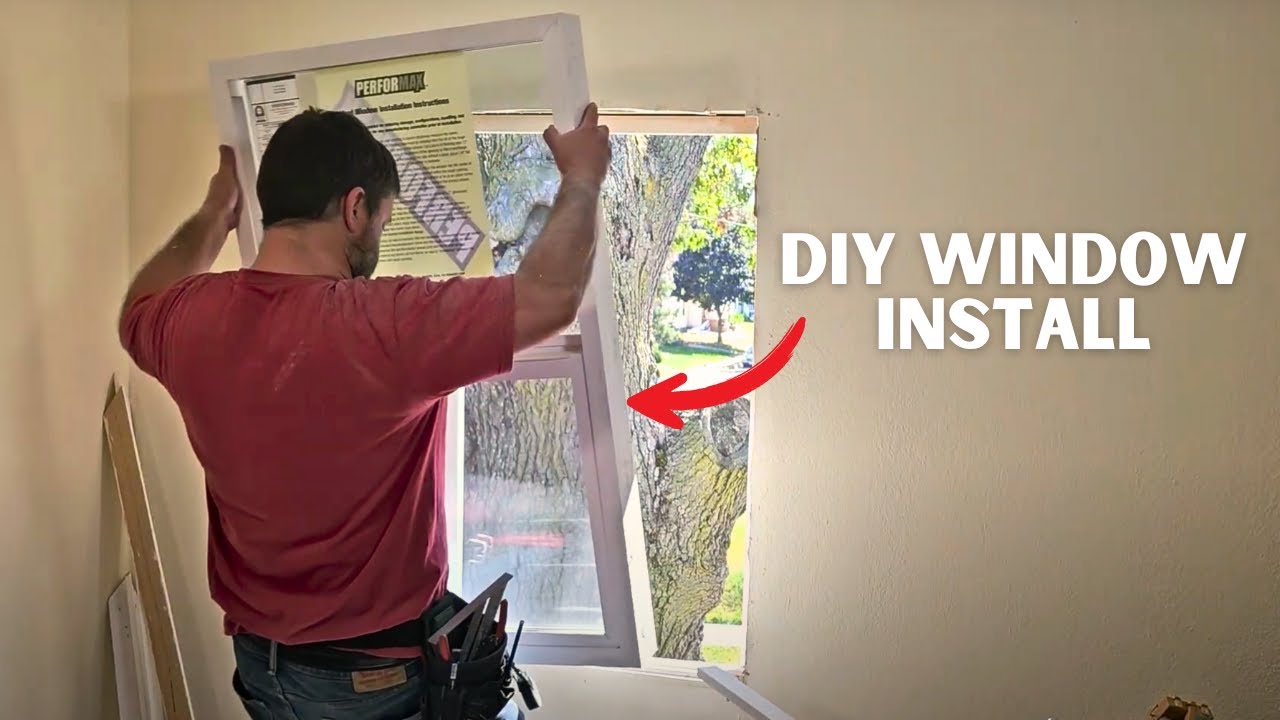
Window substitute is an investment with an every-day return. Maintain a light hand, a straightforward timetable, and an eye for tiny modifications. Your areas will certainly remain brilliant and comfortable, your locks will certainly click with that said pleasing finality, and the sight, also on a gray day, will still feel tidy and new.